
The Territorial Analysis

Territorial analysis is the first deliverable of the Work Package 1 .
It provides a structured and evidence-based understanding of the territory, its dynamics, assets, constraints and transformation pathways. It aims to support strategic decision-making by identifying key trends, emerging challenges and priority areas for action. This analysis constitutes a shared reference framework to guide public policies, projects and partnerships at local and European levels.
Geographical Perimeter
The analysis focuses on a clearly defined territorial perimeter, taking into account its geographical, economic, social and environmental specificities.
It considers the territory both as a local system and as part of wider regional, national and European dynamics, with particular attention to its coastal context and its interactions with surrounding areas.
Check the areas selected by the Project’s Partners :
- SEM LSO Développement : Les Sables d’Olonne Agglomeration’s area
– - Eixo Atlantico : Galicia–North Portugal Euroregion
– - EM Normandie : Le Havre industrial and port area
– - Atlantic Technological University : Sligo and its coastal area
– - Ports of Aveiro & Figueira da Foz : Figueira da Foz and the Mondego estuary
Analysed themes
& key indicators
The territorial analysis is structured around several thematic areas, including economic development, environmental resources, spatial planning, mobility, social dynamics and risk management.
Each theme is explored through a set of quantitative and qualitative indicators, designed to assess current conditions, identify trends and highlight key challenges and opportunities.
Methodological approach
The analysis is based on a cross-cutting and multi-source methodology, combining statistical data, territorial indicators, document reviews and expert insights.
This approach allows for a comprehensive reading of the territory by crossing perspectives, scales and themes, while ensuring consistency with European analytical frameworks and comparable territorial experiences.
From analysis… to actions !
Beyond diagnosis, the territorial analysis is designed as an operational tool.
Its results will directly inform strategic orientations, action plans and project development, supporting informed choices and coherent territorial strategies.
As a living framework, the analysis will be updated over time and used as a reference to monitor change, guide implementation and strengthen cooperation among stakeholders. It constitutes a shared reference framework to guide public policies, projects and partnerships at local and European levels, and directly underpins upcoming project deliverables, including the Strategic Framework.
Check up all territorial analysis below :
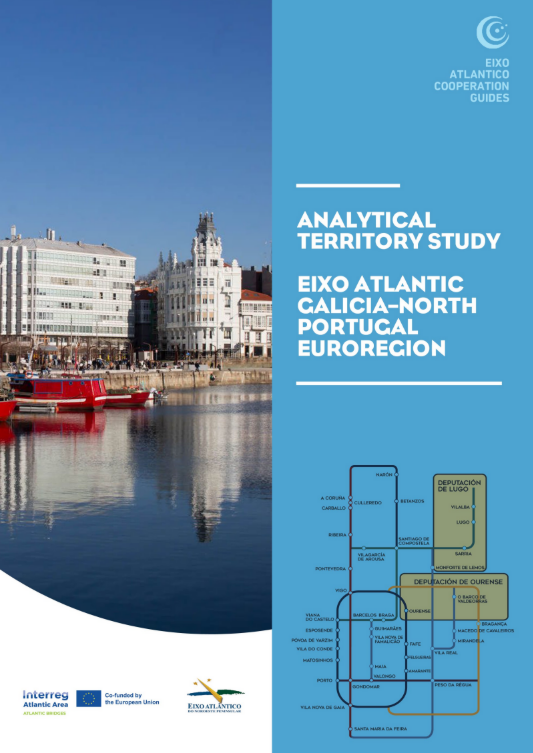
Eixo Atlantico’s
territorial analysis
A highly maritime region where ports, fisheries, industry and coastal communities play a central role in the territorial economy and its transition.
SEM LSOD’s
territorial analysis
A coastal territory combining a strong maritime economy, tourism and growing pressures linked to climate change, water resources and land use.
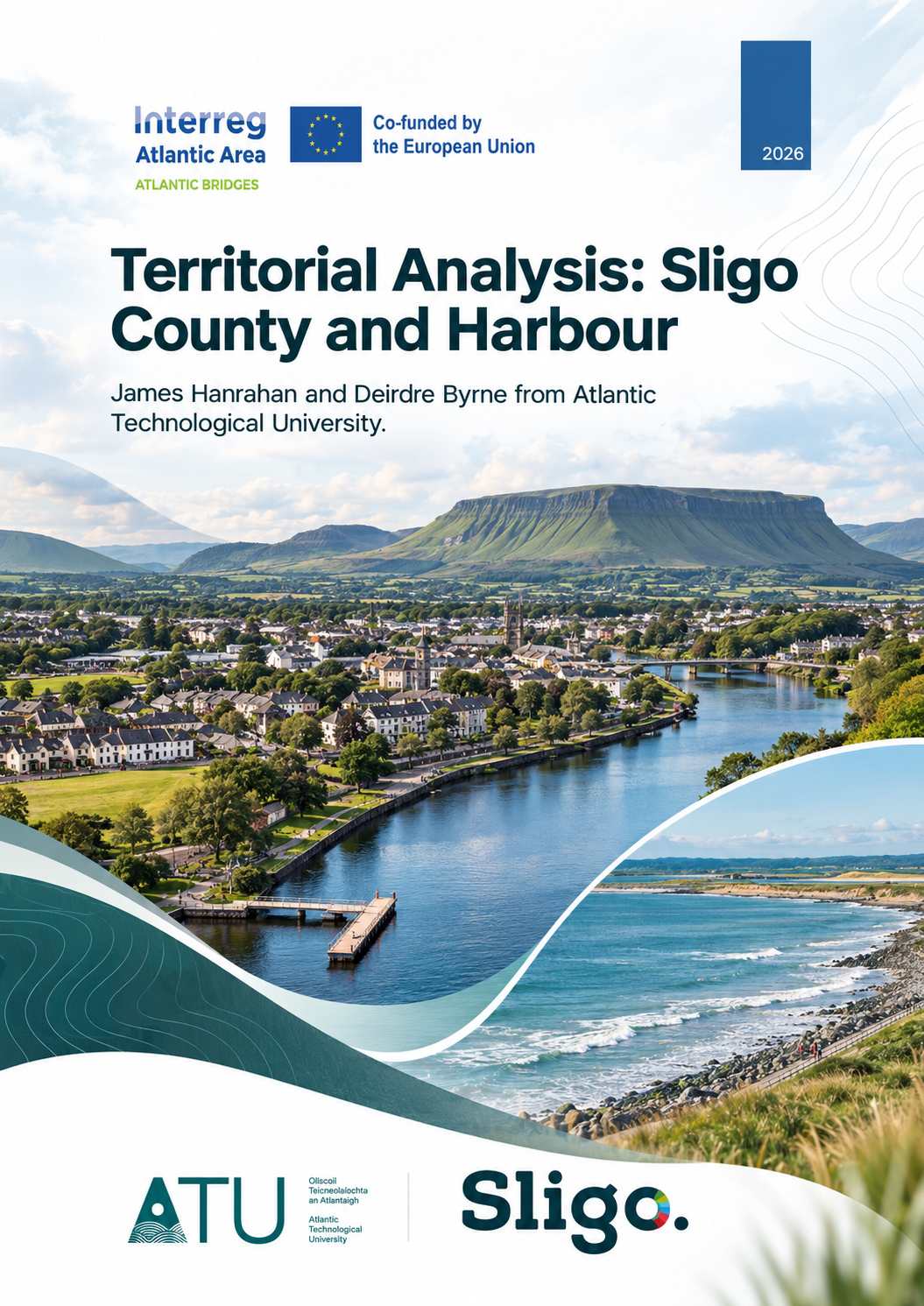
ATU’s
territorial analysis
A smaller Atlantic territory where coastal communities, tourism and local economic development depend on links between land and sea.
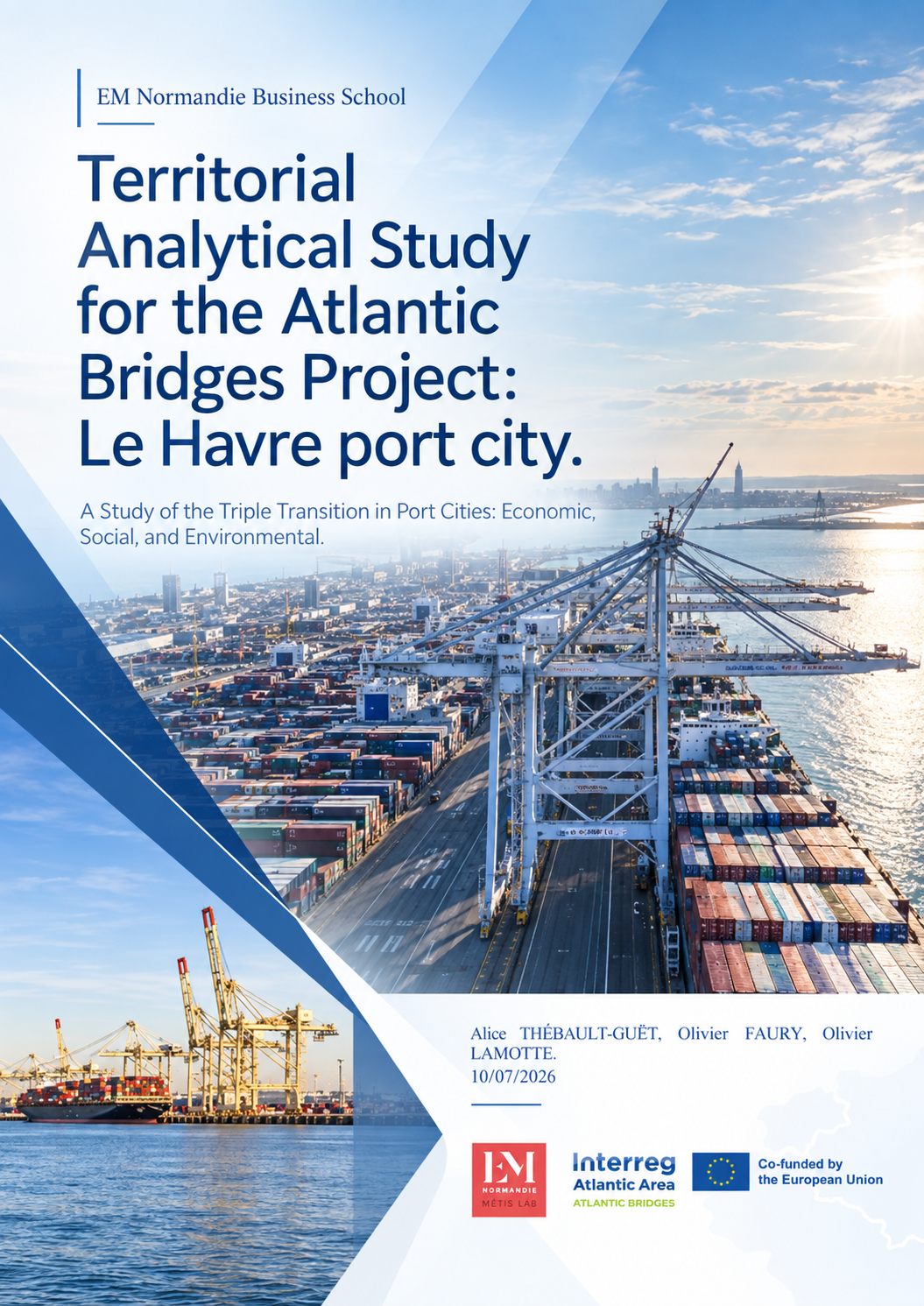
EM Normandie’s territorial analysis
A major port and industrial territory facing the challenge of reconciling economic development, decarbonisation and sustainable coastal planning.
Figueira da Foz territorial analysis
A dynamic coastal territory shaped by its lagoon,
port activities, tourism,
and the need to balance economic growth with environmental resilience.